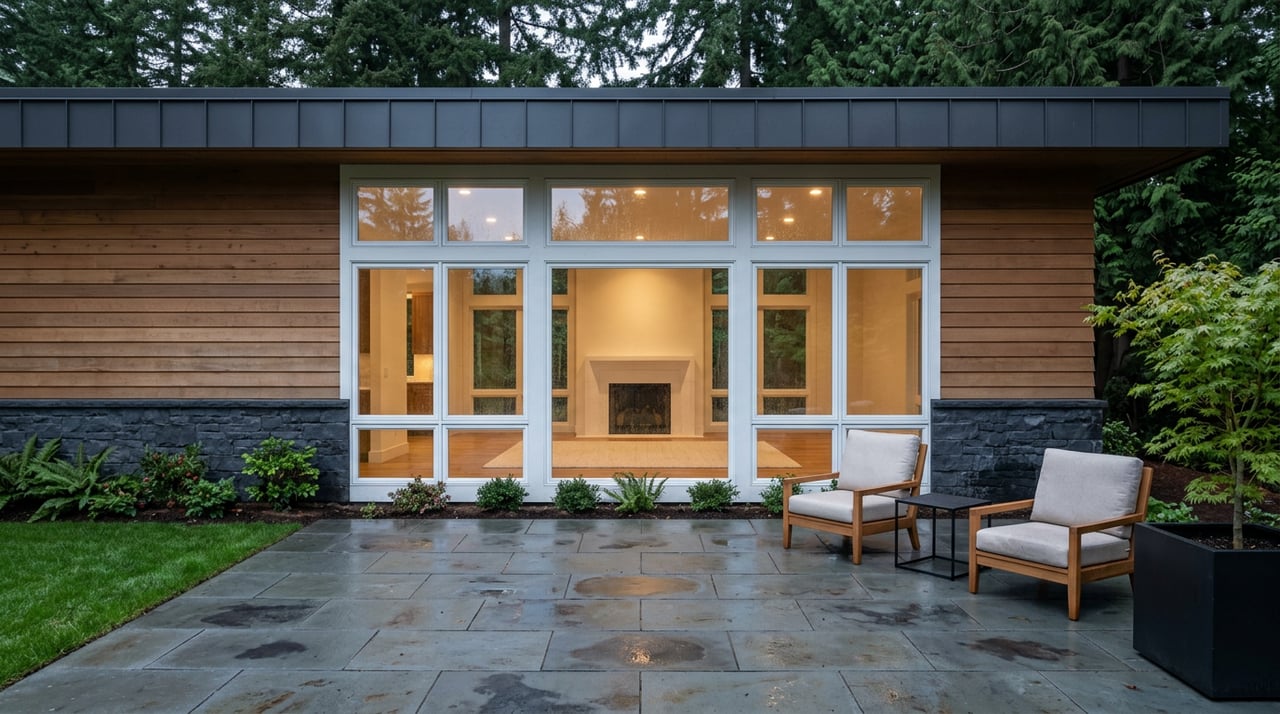
Issaquah vs Bellevue Housing: Choosing Your Eastside Base
March 5, 2026
March 5, 2026
Trying to choose between Issaquah and Bellevue can feel like comparing two great options for very different reasons. You might want fast trail access and a quieter pace, but you also need a manageable commute, quality schools, and a smart long-term investment. In this guide, you’ll get a clear, side-by-side look at lifestyle, housing, commute, and day-to-day amenities so you can match the right city to your priorities. Let’s dive in.
Bellevue is larger and more urban. It has about 154,400 residents and a median household income around $165,600, with a mean commute time of roughly 23.6 minutes, according to U.S. Census QuickFacts. You can explore these indicators on the Census page for Bellevue for current figures and definitions (Bellevue QuickFacts).
Issaquah is smaller and closer to the foothills. It has about 39,700 residents and a median household income around $154,700, with a mean commute time of about 25.3 minutes. See Issaquah’s Census profile for the latest ACS indicators (Issaquah QuickFacts).
From a housing-cost lens, federal ACS estimates show median owner-occupied home values near $1.34M in Bellevue and about $963K in Issaquah for the 2020–2024 period. Portal snapshots in late 2025 and early 2026 placed Bellevue’s typical home value higher than Issaquah’s. Exact values shift by product type and neighborhood, so use up-to-date MLS or a custom market report when you’re ready to compare active options.
You’ll find a mix of single-family homes on tree-lined streets, planned “urban village” areas, and townhome or condo pockets. Issaquah Highlands offers newer townhomes and condos with services close at hand. Olde Town and Gilman Village deliver a small main-street feel with walkable dining and local events. Neighborhoods along the Squak and Tiger foothills and areas like Mirrormont tend to offer larger lots and fast trail access.
Bellevue spans high-rise condos in a true downtown core to estate-style single-family neighborhoods. Downtown Bellevue, The Bellevue Collection, and The Bravern form a dense, walkable hub with concierge-style amenities and vertical living. West Bellevue and Bridle Trails are known for larger lots, an equestrian and park-like setting, and a premium single-family tier. Eastgate, Somerset, and Crossroads read as classic suburban, with a mix of townhouses and mid-priced single-family homes and a wide dining mix. For a feel of downtown lifestyle and amenities, browse the official city guide to see how the core functions day and night (Visit Bellevue city guide).
Bellevue’s broader market and employment base generally supports higher median prices than Issaquah. Issaquah is still a premium Eastside market, but many buyers find more single-family options at a lower entry point than comparable West Bellevue or downtown-adjacent neighborhoods. In both cities, 2024–2025 saw more balance compared to the frenzy years, with more inventory and longer marketing times. Your true comparison should be neighborhood-by-neighborhood and by product type since a downtown Bellevue condo behaves differently than a large-lot Issaquah single-family home.
Most Issaquah-to-Seattle trips run along I-90, while Bellevue connects via I-405, SR 520, and I-90 depending on the destination. Citywide mean commute times look similar on paper, but your door-to-door experience will depend on neighborhood and route choice. When comparing homes, test peak-period routes and travel windows for your typical weekday.
Sound Transit’s 2 Line opened an initial Eastside segment in April 2024, connecting South Bellevue to Redmond Technology. The full East Link extension across I-90, including Mercer Island and Judkins Park, is scheduled to open in spring 2026, based on Sound Transit updates and news releases. This is a material shift for transit access on the Eastside (Sound Transit 2 Line update).
Issaquah does not have in-city light rail. Service today relies on King County Metro and Sound Transit buses, with growing emphasis on connecting to Link stations. In August 2025, Metro launched Route 203 to link Issaquah Highlands, North Issaquah, the Issaquah Transit Center, Newport Way, Factoria, and South Bellevue Station, making train connections easier for many trips (Issaquah Route 203 announcement). Expect future bus-network refinements once the full 2 Line opens.
Bellevue’s downtown station location places you close to frequent all-day rail and bus networks. If you value a short, predictable trip to Redmond, Overlake, or the Bel-Red corridor, living near a 2 Line station can be a clear win. For Seattle-bound commutes, the 2026 extension creates a more consistent rail path across the lake from Bellevue stations.
If you want ten-to-fifteen-minute drives to trailheads, Issaquah is hard to beat. The city sits against the Issaquah Alps, including Cougar Mountain Regional Wildland Park, Squak Mountain, and Tiger Mountain, with Poo Poo Point as a beloved ascent and paragliding launch. You can get a sense of Cougar Mountain’s scope on King County Parks’ page (Cougar Mountain Park) and explore current trip reports for Tiger Mountain and Poo Poo Point on WTA. At the south end of the lake, Lake Sammamish State Park offers beaches, paddling, and restoration projects along Issaquah Creek that add to the local outdoor identity (Lake Sammamish State Park projects).
Bellevue delivers urban convenience with strong green and blue space. Downtown Park, Mercer Slough, and Wilburton offer easy-access open space. The growing Eastrail network connects riders and walkers to regional destinations, which is a major perk if you bike to work or prefer paved paths for daily fitness (Eastrail overview). If you want to live within a short walk of urban parks, waterfront paths, and frequent transit, Bellevue’s core and station-adjacent areas will stand out.
Issaquah maintains a community-forward feel with a historic main street and village-style nodes. The Highlands brings a newer, planned mix of housing and retail at a scale below downtown Bellevue. You’ll find seasonal events, farmers markets, and a quieter rhythm most evenings.
Bellevue functions as the Eastside’s downtown. High-rises, large hotels, destination shopping, and major restaurants create steady day and evening activity. To sense the energy and amenity mix, review the official city guide for dining, culture, and parks in the core (Bellevue city guide).
Both cities offer strong access to medical care. Bellevue concentrates more specialty services in and around Overlake and the Bel-Red corridor. Issaquah includes a Swedish medical campus and regional providers within short drives.
Employer-wise, Costco’s corporate headquarters is in Issaquah, which is valuable if you want to live near work. Bellevue lists T-Mobile’s corporate address, and the broader Eastside tech cluster, including Microsoft in Redmond, shapes commute patterns for many residents (T-Mobile SEC filing reference).
The Issaquah School District and Bellevue School District are both well-regarded. School assignments follow precise address boundaries, so confirm each property’s assigned schools and review district report cards for current data and programs (Issaquah School District reports).
For safety, review address-level resources and official dashboards. City and neighborhood crime statistics vary by year and area; visiting at different times of day and checking recent data will give you the clearest picture.
Use this practical scoring guide as you compare listings. Rate each item 1–5 and add weights based on importance to you.
Choose Issaquah if you want fast access to major trail systems, a quieter small-town rhythm, and a strong mix of single-family options. Choose Bellevue if you value an urban core with high-rise choices, frequent all-day transit, and close-in access to major employment centers. The best choice is the one that aligns with how you live Monday through Friday and what you love to do on Saturdays.
If you want a seasoned local perspective, a tailored shortlist, and data-backed pricing by neighborhood and product type, connect with John Thompson. If you are selling as part of your move, you can also Request a Home Valuation to plan timing and improvements for a strong outcome.
Stay up to date on the latest real estate trends.
Etiam non quam lacus suspendisse faucibus interdum. Orci ac auctor augue mauris augue neque. Bibendum at varius vel pharetra. Viverra orci sagittis eu volutpat.