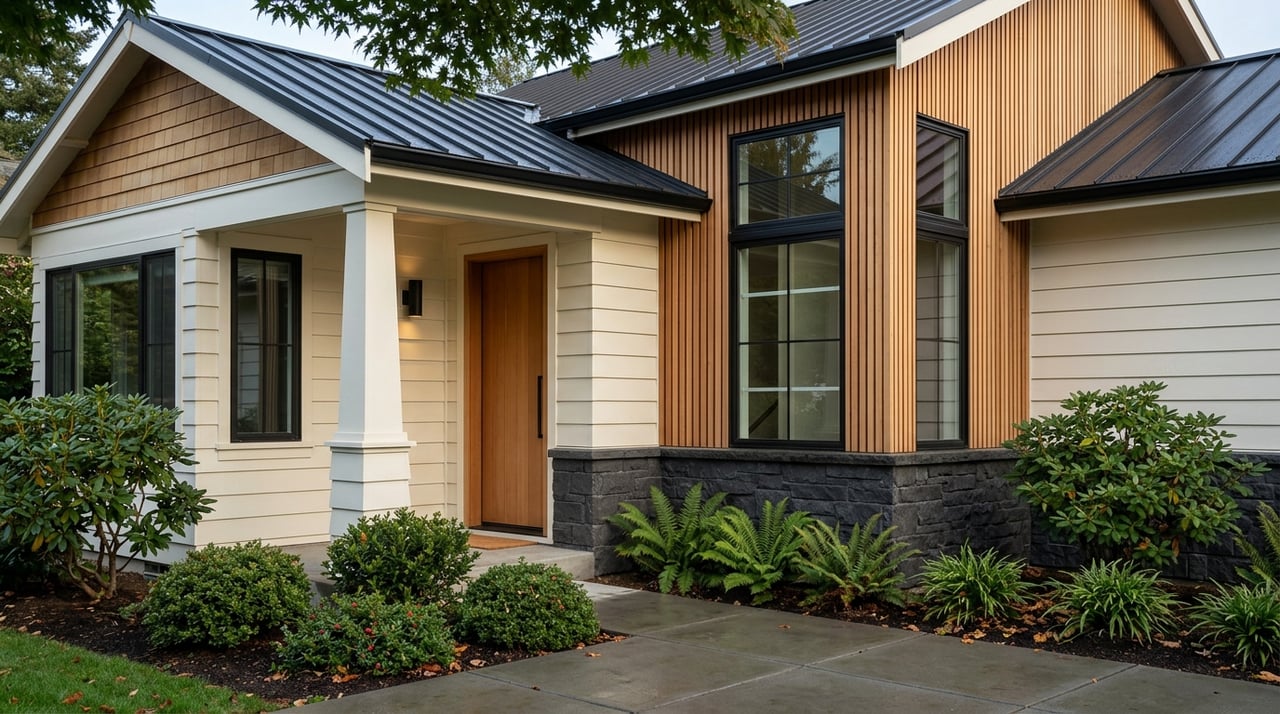
Kirkland New Construction vs Resale: Which Home Fits?
May 7, 2026
May 7, 2026
Wondering whether a brand-new home or an established property is the better fit in Kirkland? It is a smart question, because in this market, your choice often shapes not just the home itself, but your daily routine, maintenance outlook, and long-term flexibility. If you are weighing newer townhomes or condos against older detached homes on larger lots, this guide will help you compare what each path really looks like in Kirkland. Let’s dive in.
Kirkland’s housing stock tells an important story. The city had 42,956 homes in 2023, and detached single-family homes still make up most of the supply, even as multi-unit housing has continued to grow. In other words, you will still find many traditional homes here, but newer inventory often looks different from the older homes that define many established areas.
A big reason is age. According to the city, 42% of Kirkland homes were built between 1970 and 1989, and another 22% were built before 1970. That means a large share of the market consists of older homes that may offer smaller original floor plans, mature landscaping, and larger lots.
Kirkland’s planning direction also matters. The city adopted its 2044 Comprehensive Plan in December 2024, and much of future housing growth is being directed toward Downtown, Totem Lake, and transit corridors. For you as a buyer, that means the decision between new construction and an established home is often a choice between two different living patterns.
In Kirkland, new construction is often tied to the city’s urban centers. Greater Downtown Kirkland and Totem Lake are the two designated Urban Centers, and both are planned as mixed-use areas with existing or planned high-capacity transit service. These are the places where future housing and employment growth are expected to cluster.
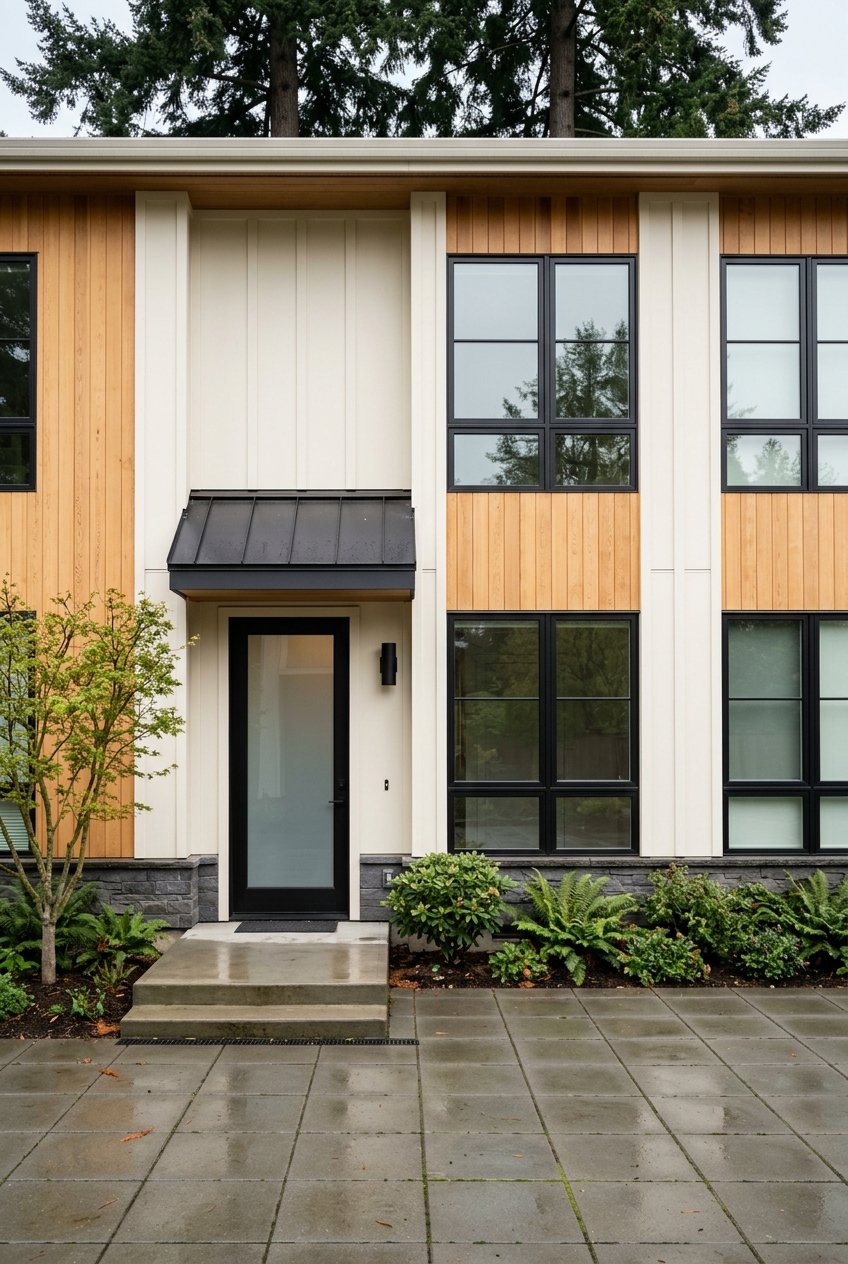
That pattern has a direct effect on what new homes look like. In many cases, the newest product is attached or higher-density housing rather than a detached home on a large lot. The city’s recent permit trends also show that Totem Lake redevelopment has produced a large share of five-plus unit housing, while permits for ADUs and cottages have been rising as part of Kirkland’s missing-middle housing growth.
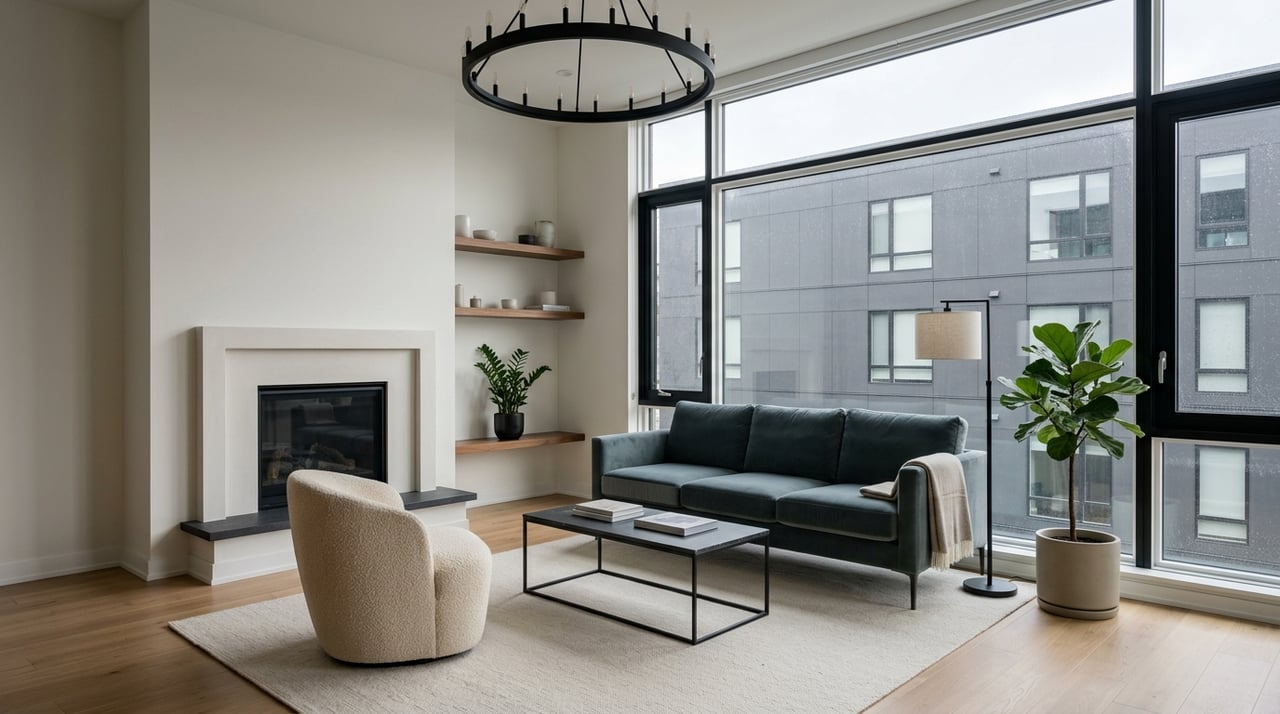
If you are shopping for newer construction, you are often choosing a more compact, infrastructure-oriented setting. That can mean easier access to shopping, parks, transit, and other daily destinations. It can also mean tradeoffs in private outdoor space, garage size, or separation from neighbors.
One of the clearest benefits of new construction is a newer code baseline. Washington’s State Building Code Council says the state building code sets minimum requirements for safety, health, welfare, and energy efficiency, and the current cycle includes the 2021 Washington State Energy Code. That does not guarantee a problem-free home, but it does mean newer homes start from more current construction standards than older properties.
For many buyers, that translates into a lower near-term project load. Newer roofs, windows, mechanical systems, and materials can reduce the number of immediate repairs or upgrades you may need to plan for. If you have a demanding schedule or are relocating, that simplicity can be a major advantage.
New construction in Kirkland can also align well with buyers who prioritize walkability. The city’s 10 Minute Neighborhood work identifies Downtown, Village at Totem Lake, and Juanita Village as highly walkable mixed-use neighborhoods. If your goal is to live closer to daily services and reduce routine driving, newer housing near these nodes may fit your lifestyle well.
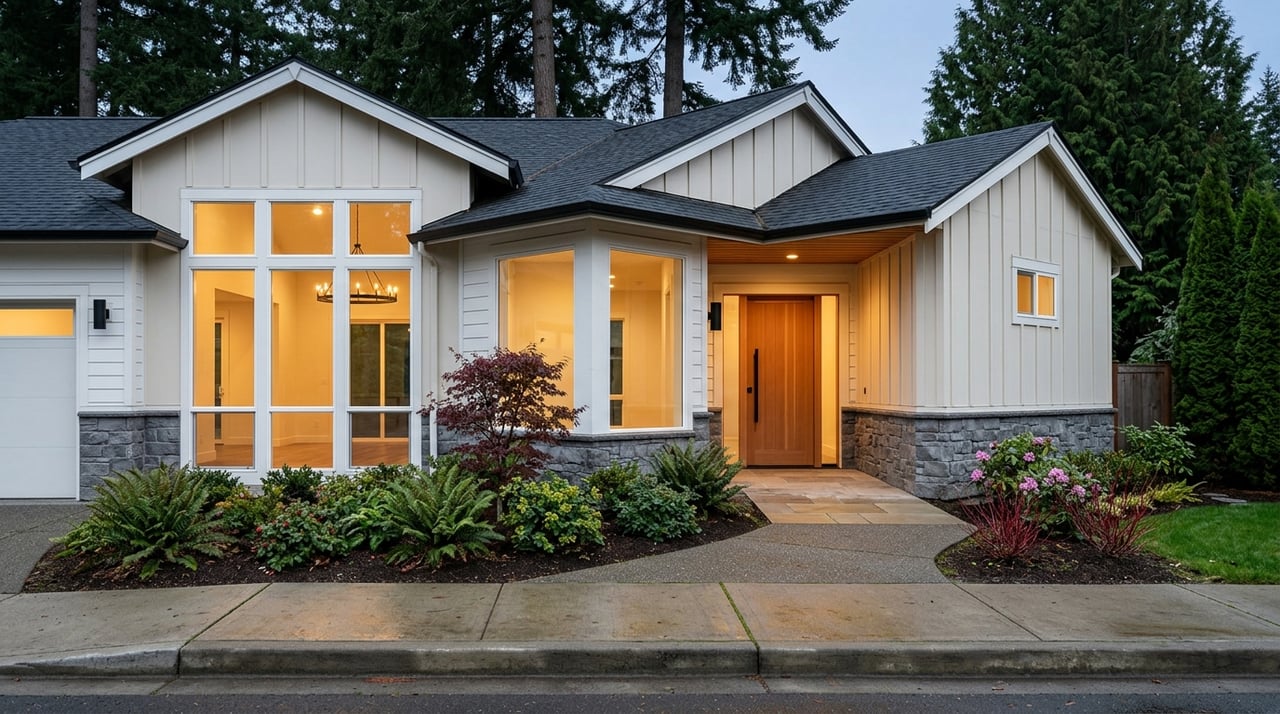
Established homes offer a different kind of value. Many are located in mature neighborhoods with more architectural variety, older trees, and a stronger sense of place shaped over decades. Kirkland’s historic-preservation materials note that the city includes many historic structures representing a range of styles and time periods, which helps explain why older areas can feel more visually varied than newer developments.
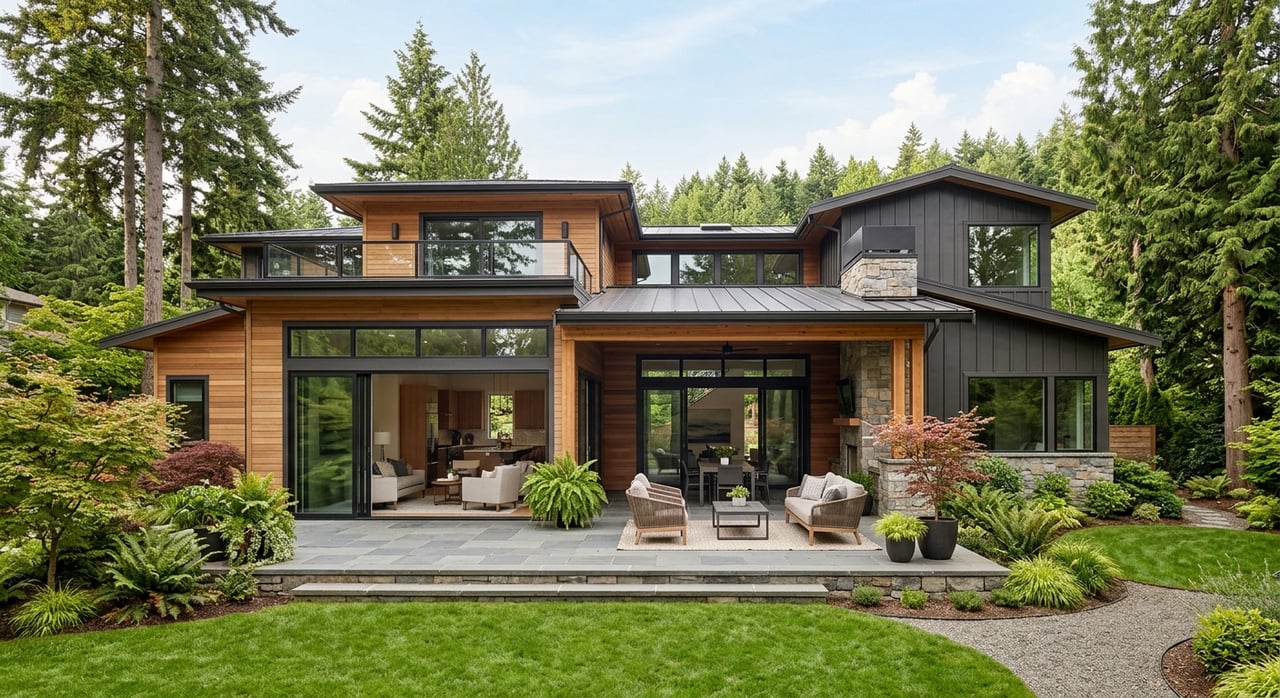
Older homes also tend to sit on larger lots. The city’s housing analysis notes that older homes are often found on lots of 9,600 square feet or more, and many are candidates for additions or replacement. If you value yard space, privacy, or the ability to expand over time, that lot size can be a major advantage.
The Market Neighborhood is a useful local example. The city describes it as a well-established area with a mix of old and new housing stock, mature trees, lake views, historic buildings, and a range of housing sizes. That mix reflects what many buyers appreciate about established parts of Kirkland: they can offer both character and flexibility.
The tradeoff with an older home is usually maintenance uncertainty. In Kirkland, a large part of the housing stock dates to the pre-1970 and 1970s to 1980s periods, so the condition of systems can vary widely from one home to the next. Two houses on the same street may have very different levels of updating.
That is why your evaluation needs to go beyond surface appeal. For an established home, it is important to look closely at the roof, windows, heating and cooling systems, sewer line, drainage, and retaining walls. You will also want to understand whether past additions, remodels, or ADUs were properly permitted.
Walkability can vary more in established neighborhoods too. Some mature areas have strong location appeal and a connected street grid, but not every block has the same level of sidewalk or pedestrian infrastructure found in newer urban-center development. The Market Neighborhood plan, for example, notes that while the grid helps mobility, some access streets do not have full improvements.
If you strip the decision down to daily living, walkability may be the biggest dividing line between new and established homes in Kirkland. The city’s 10 Minute Neighborhood framework focuses on whether residents can access daily destinations on foot, including parks, schools, transit, and neighborhood-serving retail. That tends to favor homes near Downtown, Totem Lake, and other mixed-use nodes.
That said, Kirkland remains largely auto-oriented overall. The city’s community profile shows that single-occupant vehicle travel is still the primary commute mode, with remote work and carpooling trailing behind. So even if walkability matters to you, it is still wise to think through parking, garage function, and access to major roads.
If you want to minimize driving for errands and everyday routines, newer homes in growth areas may have the edge. If you are comfortable using a car more often in exchange for lot size, privacy, and neighborhood character, an established home may feel like the stronger fit.
There is no universal winner on resale because different buyers value different things. In Kirkland, newer homes often appeal to buyers who want updated systems, lower near-term maintenance, and proximity to mixed-use, transit-connected areas. Established homes tend to appeal to buyers who want larger lots, detached living, and the option to renovate or rebuild over time.
Kirkland’s long-term planning direction does offer some useful context. The city is channeling growth toward walkable, transit-oriented centers, and its housing analysis notes stable enrollment in the Lake Washington School District as a sign of consistent local housing demand. That helps explain why homes near parks, schools, mixed-use areas, and transit-connected locations may remain broadly appealing, even though no home is automatically a better investment.
The key is to match the property to your likely hold period. If you expect to stay for five years, ease of living and future buyer appeal may deserve extra weight. If you are buying for a longer horizon, lot potential, privacy, and flexibility may matter more.
Here are a few practical questions that can help you compare options in Kirkland.
In Kirkland, new construction usually works best if you want a more turnkey home, newer systems, and a location tied to walkability or transit. Established homes usually stand out if you want a larger lot, more architectural variety, and room to adapt the property over time. Neither path is inherently better.
The right move depends on how you live, how long you plan to stay, and what tradeoffs feel worth it to you. If you want a clear-eyed comparison of specific neighborhoods, lot types, and resale considerations in Kirkland, John Thompson can help you evaluate the options with a local, strategic lens.
Stay up to date on the latest real estate trends.
Etiam non quam lacus suspendisse faucibus interdum. Orci ac auctor augue mauris augue neque. Bibendum at varius vel pharetra. Viverra orci sagittis eu volutpat.