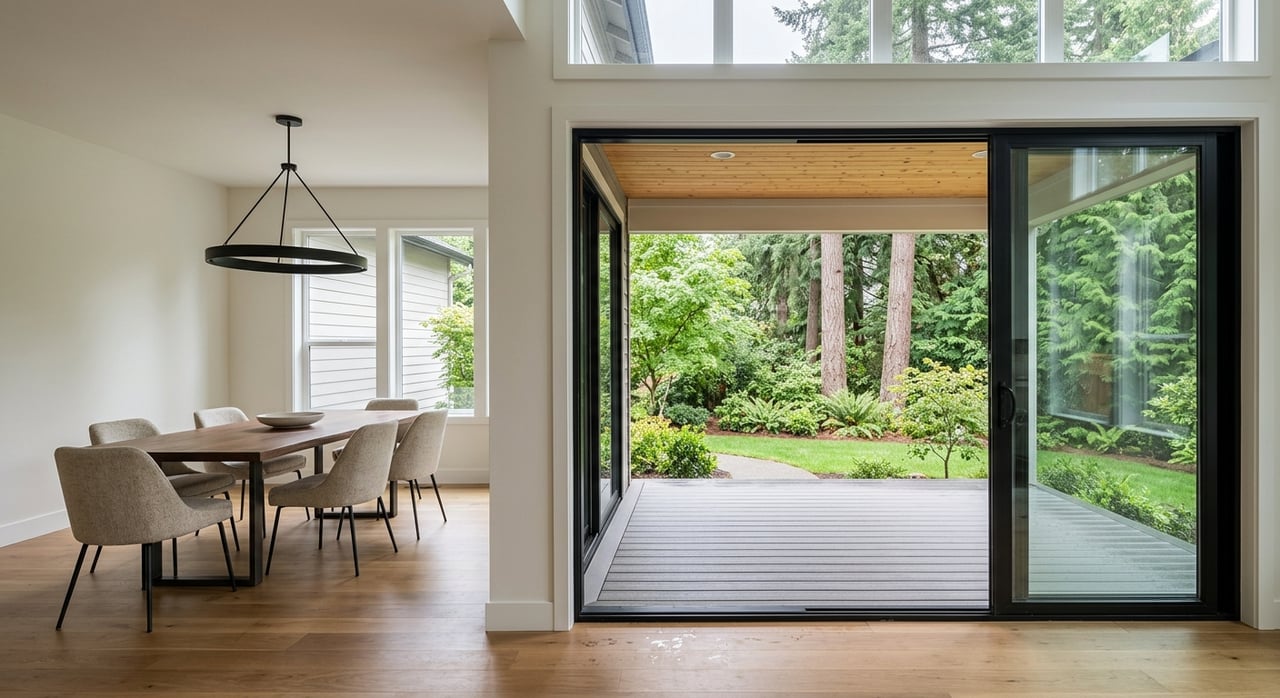
Balancing Commute And Lifestyle When Buying In Redmond
July 16, 2026
July 16, 2026
Wondering how to choose the right Redmond home without sacrificing your daily routine? That question matters more than ever in a city where your lifestyle can shift a lot from one area to the next. If you are weighing office access, rail options, outdoor time, and day-to-day convenience, this guide will help you think through the tradeoffs clearly. Let’s dive in.
Redmond is not one single housing experience. The city describes Downtown and Overlake as its two urban centers, while Marymoor Village and Southeast Redmond are evolving mixed-use areas and places like Education Hill, Grass Lawn, Idylwood, and North Redmond are more residential.
That matters because your commute and your home life may pull you in different directions. A home near a station or major employment corridor may make weekdays easier, while a more residential setting may give you quieter streets, more space, or a more traditional suburban feel.
Before you compare floor plans or lot sizes, anchor your search around where you actually need to go during a normal week. In Redmond, that often means thinking about whether your work is tied to Downtown Redmond, the Overlake tech cluster, the Microsoft area near Redmond Technology Station, Bellevue, Seattle, or the Willows Road corridor.
Redmond is a major technology hub, with employers that include Microsoft, Nintendo of America, Amazon Kuiper, Meta, Astronics, and Stryker. Because of that, the best-fit neighborhood is often the one that lines up with your specific work pattern, not the one that sounds best on paper.
If your office is near Microsoft or Overlake, station access and SR 520 access can become major decision points. If your work takes you toward Bellevue or Seattle, peak-hour traffic and reliable travel times may shape your day more than simple mileage.
In Redmond, transit is no longer something to file under future plans. The city says four light rail stations provide access to Overlake Village, Marymoor Village, Downtown Redmond, and Redmond Technology Station near Microsoft’s campus.
Sound Transit’s 2 Line now runs to Downtown Redmond with 10-minute service from 5:30 a.m. to 9:30 p.m., seven days a week. For many buyers, that makes station proximity a practical part of home selection, especially if you want a non-driving option for work, dining, or errands.
There is one important limit to keep in mind. Since rail service ends at 9:30 p.m., late work schedules or evening commitments may still require a driving plan.
A Redmond commute may not be just car versus train. The city’s transportation setup gives some households the chance to combine rail, local shuttle service, biking, and walking in a way that changes what feels convenient.
RedLink serves parts of Downtown Redmond, Education Hill, and Southeast Redmond. The city also maintains bike lanes and off-street trails that connect downtown, neighborhoods, businesses, parks, and nearby cities.
That means a home that looks slightly farther from the office on a map may still work well if it offers easier last-mile connections. For some buyers, that mixed-mode approach can create a better daily rhythm than relying on freeway driving alone.
If you plan to drive often, reliability matters as much as average time. According to WSDOT’s SR 520 dashboard, the 2023 average evening general-purpose commute from Redmond to Seattle was 31 minutes, with a reliable time of 51 minutes.
In the HOV lane, the same Redmond-to-Seattle evening trip averaged 27 minutes, with a reliable time of 38 minutes. WSDOT also reports that Redmond-to-Bellevue traffic on SR 520 experienced speeds of 36 mph or less on 79.8% of weekdays at 4:50 p.m. in 2023.
The takeaway is simple. If your schedule depends on being somewhere at a specific time, you should evaluate commute reliability, not just distance.
Downtown Redmond is a strong option if you want daily convenience at your front door. The city describes it as lively and connected, with wide sidewalks, an urban trail, shopping, dining, services, events, employment, mixed-use residences, hotels, and parks.
It is also one of Redmond’s two regional growth centers, with nearly 6,000 residents and more than 10,000 jobs. If you want the ability to combine commuting, errands, and social plans with less driving, Downtown often deserves an early look.
Redmond Town Center adds to that appeal. The city identifies it as Redmond’s largest shopping complex, with 110 shops, restaurants, and entertainment venues.
Overlake is another convenience-first area, especially for buyers tied to major employment hubs. The city says it is three miles from both Downtown Bellevue and Downtown Redmond, has convenient access to SR 520, and is served by two light rail stations plus frequent local and regional express buses.
Sound Transit also describes Overlake Village Station as part of a growing, walkable area with cafes, local dining, and connections to regional bike paths. If your work life centers on the Eastside tech corridor, Overlake can offer a strong blend of access and everyday function.
Marymoor Village and Southeast Redmond can appeal to buyers who want transit-oriented living with strong outdoor access. The city describes Marymoor Village as becoming a more walkable small urban village with nearby living, employment, and gathering.
Southeast Redmond combines business park, industrial and retail, and moderate-density residential uses. Marymoor Village Station is located along SR 520 and has easy access to Marymoor Park, which makes this area especially practical if park use or trail access is part of your normal week.
Education Hill is one of Redmond’s largest residential neighborhoods and is centrally located. The city describes it as established, tree-lined, and walkable, with shopping and services available near its southern edge by Downtown.
For buyers who want a residential setting without feeling too far removed from the city’s main conveniences, Education Hill often lands in the middle of the conversation. RedLink service in parts of the area can also help with local access.
Grass Lawn is a mature, highly walkable neighborhood on the west side of Redmond. The city says it is mostly residential, with some low- to moderate-density housing and a pocket of apartments and condos on the east side.
What makes Grass Lawn notable is connectivity. Grass Lawn Park and the Redmond Central Connector help tie the area to Downtown, Town Center, and the Willows business district, which can be useful if you want a residential setting that still supports easy movement around the city.
Idylwood offers a quieter, tree-rich setting with lake and park views. The city highlights Idylwood Beach Park, places to walk, and close proximity to the Overlake Urban Center.
That can make Idylwood a practical compromise if you want a more peaceful residential feel without giving up Eastside access. For some buyers, that balance is exactly the sweet spot.
North Redmond is primarily low-density and low-moderate-density residential. It can work well if you want a more suburban setting while still valuing trail access and outdoor connections.
The city notes adjacent trail access and planned multi-use trail connections. If your lifestyle includes regular outdoor time and you do not need to be in the middle of the most urban parts of Redmond, North Redmond may fit your priorities.
Willows and Rose Hill matter most for buyers whose routines connect to that employment corridor. The city says the area includes about 2.2 million square feet of office, industrial, and retail space, with roughly 5,200 people working there.
It is less urban than Downtown or Overlake, but it may be highly practical if your job, suppliers, or local travel patterns revolve around Willows Road. In a commute-driven decision, practical often beats trendy.
Bear Creek and Sammamish Valley have more mixed, edge-of-city character. The city says Bear Creek combines residential areas with resource lands and retail and service uses, while Sammamish Valley shifts from manufacturing and research-and-development uses in the south to recreation and agricultural uses farther north.
These areas may appeal if you want a setting that feels more open or less urban. The tradeoff is that your day-to-day access pattern may depend more on driving and your specific route planning.
In Redmond, parks and trails are not just weekend amenities. The city reports 47 parks covering 1,351 acres and 59 miles of public trails, which makes outdoor access part of how many residents move through daily life.
That can influence where a home feels livable over time. A neighborhood with easy access to trails, parks, or connectors may support a better routine even if it is not the shortest drive to work.
The Sammamish River Trail is a 10.1-mile paved regional trail that runs from Bothell to Marymoor Park in Redmond. King County says it passes Redmond City Hall and connects users to the Bear Creek Trail, the Power Line Trail, and Marymoor Park.
This trail is used extensively by commuters, which makes it more than a recreation feature. If biking or trail-based movement matters to you, nearby access can be a real quality-of-life advantage.
The East Lake Sammamish Trail is an 11-mile fully paved trail connecting Redmond, Sammamish, and Issaquah. King County lists multiple Redmond access points.
For buyers who care about running, biking, or replacing some car trips with trail access, this can become part of the housing decision. It is one more reason to think beyond the front-door-to-office drive.
Marymoor Park is one of Redmond’s biggest lifestyle assets. King County describes it as home to fields, walking and biking trails, nature trails, a community garden, a rowing boathouse, a climbing wall, and a 42-acre off-leash dog park.
There is also now a direct trail connection from the Marymoor Village light rail station to the north end of the park. Add in the Redmond Central Connector, which links Sammamish, Redmond, and Kirkland while connecting Town Center, historic Downtown, Grass Lawn, and the Willows business district, and you can see why some buyers rank trail access almost as high as highway access.
If you want to make a smart Redmond decision, focus on how the home will support a normal Tuesday instead of an occasional Saturday. That usually leads to a more durable choice.
Use this framework as you narrow your search:
The best Redmond fit is rarely about finding the objectively best neighborhood. It is about finding the right combination of commute pattern, access, and lifestyle support for how you actually live.
If you are planning a move to Redmond or comparing Eastside options, a neighborhood-level strategy can save time and help you buy with more confidence. John Thompson brings deep Eastside market knowledge and a polished, high-touch approach that helps you evaluate commute tradeoffs, neighborhood fit, and long-term value with clarity.
Stay up to date on the latest real estate trends.
Etiam non quam lacus suspendisse faucibus interdum. Orci ac auctor augue mauris augue neque. Bibendum at varius vel pharetra. Viverra orci sagittis eu volutpat.