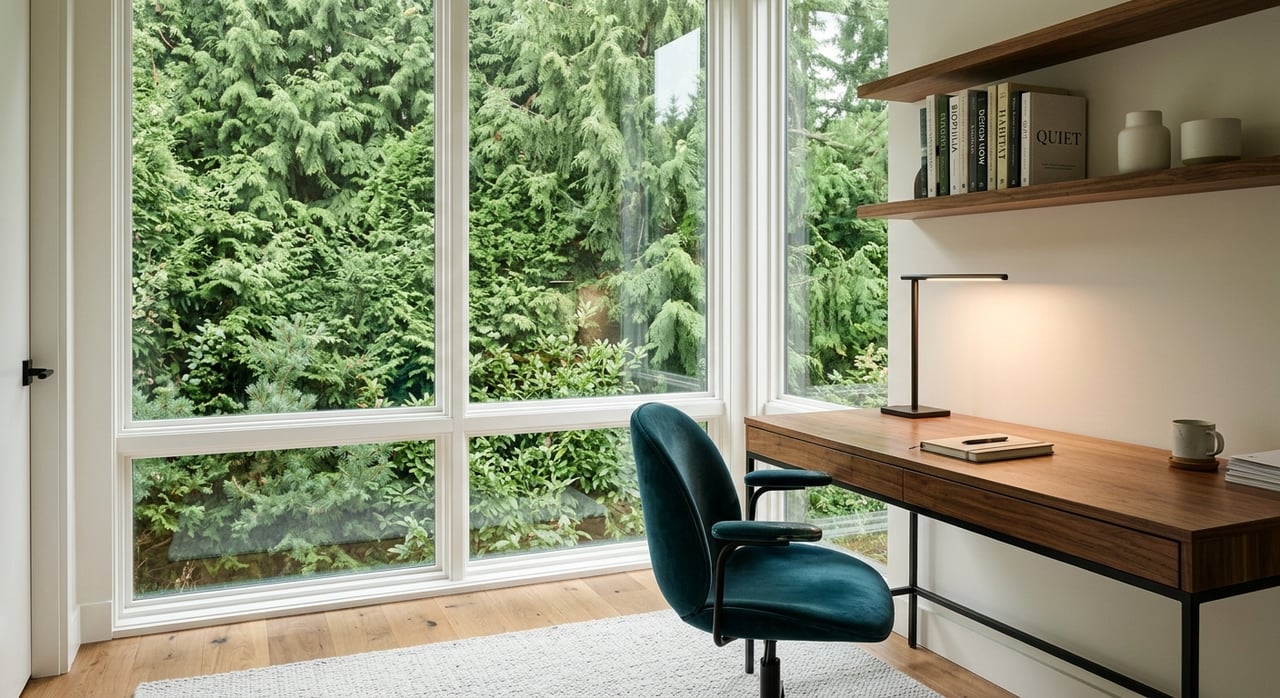
Sammamish Relocation Guide for Eastside Tech Executives
May 28, 2026
May 28, 2026
Wondering whether Sammamish makes sense for your next move if you work in tech? That question comes up often for buyers who want Eastside access without living in a denser urban core. If you are weighing commute time, housing style, and day-to-day lifestyle, Sammamish has a compelling case, along with a few clear tradeoffs. Let’s dive in.
Sammamish stands out as a premium Eastside suburb with a distinctly residential feel. U.S. Census QuickFacts show a median household income of $239,690, a bachelor’s degree-or-higher rate of 77.1%, and near-universal household computer and broadband access at 99.9% and 99.1%.
Those numbers help explain why Sammamish often appeals to tech and finance households. The city also has 3.0 persons per household, with 28.6% of residents under 18, which points to a community shaped in large part by household-focused routines and long-term homeownership.
Housing costs reflect that positioning. Census data show an 82.6% owner-occupied housing rate, a median owner-occupied home value of $1,407,300, and a median gross rent of $2,857, placing Sammamish firmly in the upper tier of the Eastside market.
If your workweek is hybrid, Sammamish can offer a different kind of Eastside value. Instead of prioritizing rail access or dense walkability, many buyers look here for a quieter home base, more privacy, and a stronger connection to parks, trails, and neighborhood-oriented living.
That trade can make sense if your schedule is flexible. If you only need to be in Bellevue, Redmond, or Seattle part of the week, you may find that the residential setting offsets the extra planning that commuting from Sammamish can require.
For relocation buyers, Sammamish can also feel straightforward from a lifestyle perspective. It is a city where home quality, outdoor access, and a more traditional suburban pattern tend to shape the buying decision more than nightlife or a rail-first daily routine.
The biggest question is usually not whether Sammamish is desirable. It is whether the commute fits your working style.
The City of Sammamish Transportation Master Plan notes that the city has a relatively unconnected street system, limited transit service, and topography that can make active transportation difficult for many users. In plain terms, that means getting around often takes more planning here than in Bellevue or Redmond.
ACS data put the mean travel time to work at 29.3 minutes. That figure is a useful benchmark, but your own experience will depend heavily on where your office is, how often you go in, and whether you drive the full trip or connect through a transit hub.
Sammamish does not have a rail station in its city center. That matters if you want the kind of spontaneous, all-day transit convenience you get in more connected Eastside locations.
Sound Transit’s current 2 Line runs between Lynnwood City Center and Downtown Redmond and includes Bellevue Downtown, Redmond Technology, Marymoor Village, and Downtown Redmond stations. For many Sammamish residents, that makes drive-to-transit part of the equation rather than an afterthought.
King County Metro also provides weekday commuter connections. Route 218 links Sammamish with Issaquah, Eastgate, Mercer Island, and Downtown Seattle, while Route 269 connects Issaquah, Pine Lake, Sahalee, Bear Creek Park & Ride, and Marymoor Village Station.
Because both Metro routes are weekday-only, transit here is more aligned with work commuting than with all-day flexibility. If you want car-light living seven days a week, Sammamish may feel less convenient than nearby urban centers.
Sammamish tends to work best if you are comfortable with a car-based strategy. That may mean driving to the office, driving to a park-and-ride, or using a nearby rail station as part of your weekly routine.
For many tech professionals, that is a manageable compromise. If your priority is a residential home base with more breathing room, the added commute friction may be worth it.
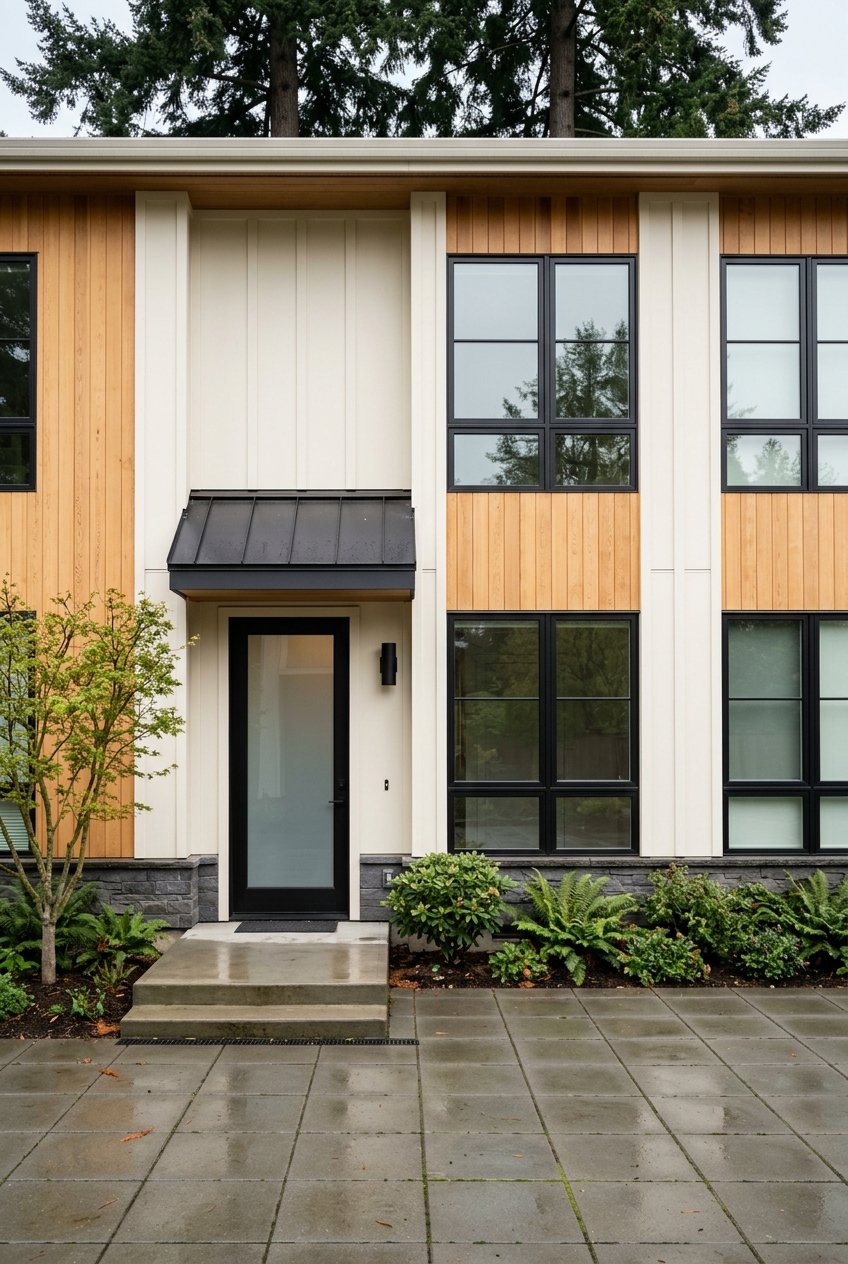
Sammamish remains largely ownership-oriented, and that has a direct impact on what buyers usually find here. In practical terms, the city is still best known for suburban homes rather than a dense mix of condos and apartments.
The city’s Neighborhood Residential designation is intended to support detached and attached single-family homes, accessory dwelling units, duplexes, townhomes, and cottages. That gives you a good picture of the policy direction, even if the existing market still leans heavily toward traditional suburban housing.
The city’s 2024 affordable-housing materials also state that the updated comprehensive plan is intended to create more diverse and affordable housing, with an inclusionary housing program applying to new residential projects. Over time, that could mean a broader mix of homes becomes available.
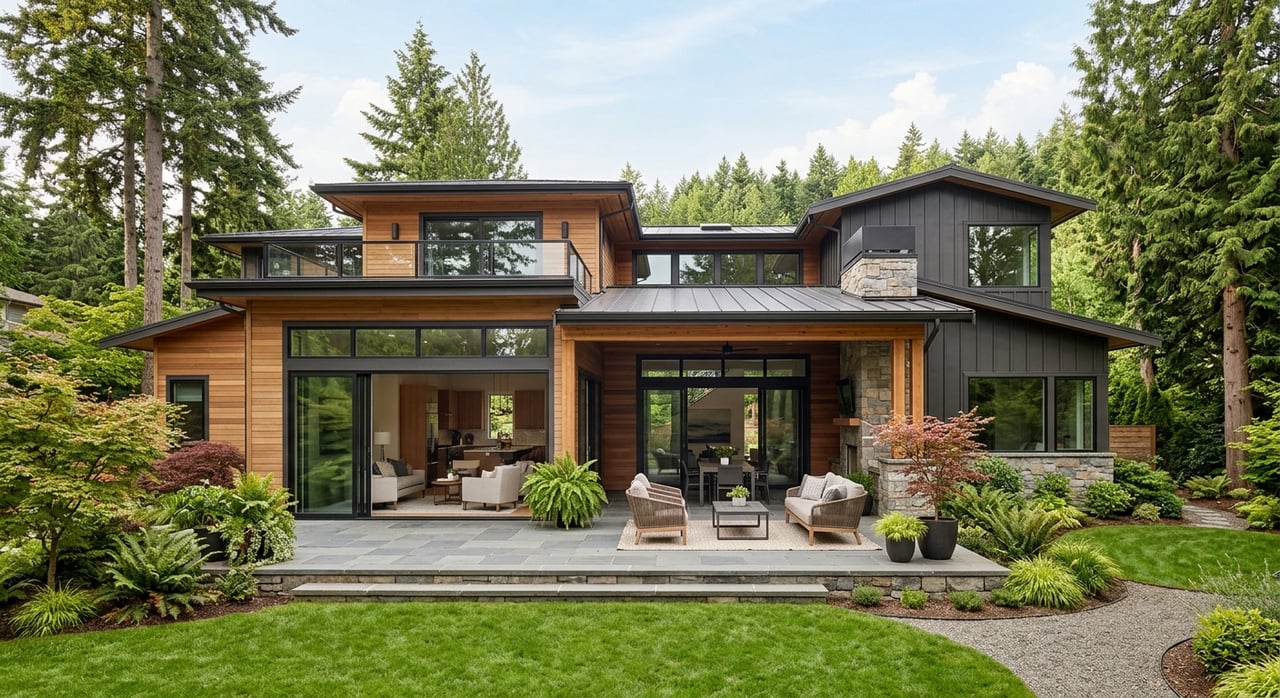
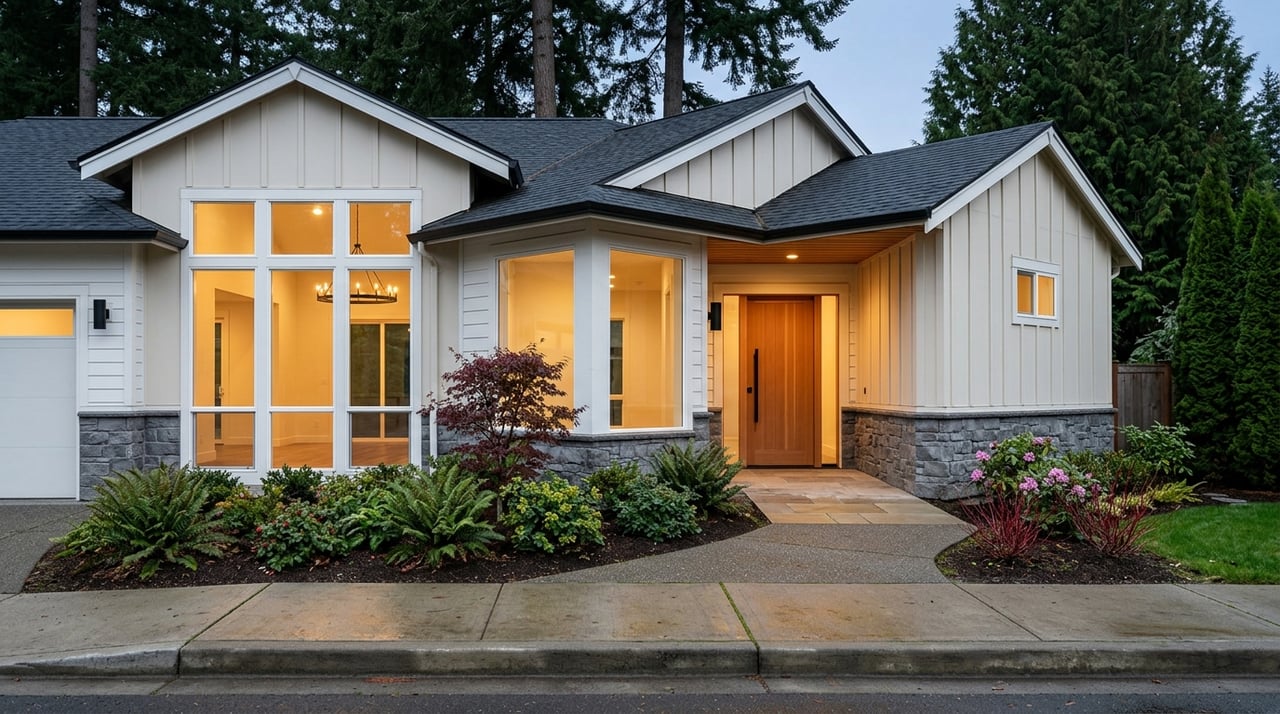
If you want a classic Eastside suburban product now, Sammamish is well aligned with that goal. Buyers looking for larger detached homes, more residential streets, and ownership-focused neighborhoods often find that the housing stock matches their priorities.
If you are hoping for a much broader mix of smaller or more urban-style options, the city is evolving in that direction gradually rather than all at once. Townhomes, ADUs, and middle-housing options may become more visible over time, but the market today still reads as predominantly single-family.
For many households, Sammamish is less about shaving every minute off the commute and more about improving the hours outside of work. That is where the city has a strong everyday appeal.
The city highlights a parks system that includes lakes, beaches, a treehouse, and a range of neighborhood parks. Pine Lake Park and Sammamish Landing Park are designated swimming areas, and Beaver Lake Park is another notable local amenity.
This is one reason Sammamish feels recreation-centered rather than urban-core oriented. Your weekends and evenings can be shaped by nearby outdoor access instead of having to leave the area to find it.
The East Lake Sammamish Trail is one of the area’s biggest lifestyle assets. King County describes it as an 11-mile, fully paved waterfront trail connecting Redmond, Sammamish, and Issaquah, with access points in Sammamish and connections to the Marymoor Connector Trail, Redmond Central Connector Trail, and Sammamish River Trail.
If you like to bike, run, or walk as part of your routine, that trail network adds meaningful daily value. It can support both recreation and practical movement, even if Sammamish as a whole is not an easy city to navigate without a car.
Lake Sammamish State Park expands those options just south of the city. Washington State Parks says the park offers two swimming beaches, trails, volleyball courts, soccer fields, boating, kayaking, and paddleboarding.
If you are choosing between Eastside hubs, the key distinction is not which city is better in the abstract. It is which tradeoff fits your life.
Bellevue and Redmond generally offer easier access to major job centers and more connected transit options. Sammamish offers a more residential setting, less urban intensity, and a lifestyle more closely tied to parks, trails, and home-centered living.
A simple way to think about it is this:
Sammamish is often a strong fit if you work in tech, prefer a premium suburban environment, and do not need rail-first convenience every day. It is especially appealing if your workweek is hybrid and your home life priorities include space, privacy, and access to outdoor recreation.
The tradeoffs are important and should be taken seriously. The city’s own planning documents point to limited transit, a less connected street network, and terrain that can make non-car travel harder than in denser Eastside locations.
That said, if you value the residential setting enough, those compromises may feel entirely reasonable. Many buyers decide that a more peaceful home base and strong lifestyle amenities are worth a little more commute planning.
If you are weighing Sammamish against other Eastside options, the right answer usually comes down to how you want your week to feel. Commute convenience matters, but so does what waits for you when you get home.
If you want a clear, strategic read on whether Sammamish fits your commute, housing goals, and lifestyle priorities, John Thompson can help you compare Eastside options with local insight and a buyer-focused plan.
Stay up to date on the latest real estate trends.
Etiam non quam lacus suspendisse faucibus interdum. Orci ac auctor augue mauris augue neque. Bibendum at varius vel pharetra. Viverra orci sagittis eu volutpat.