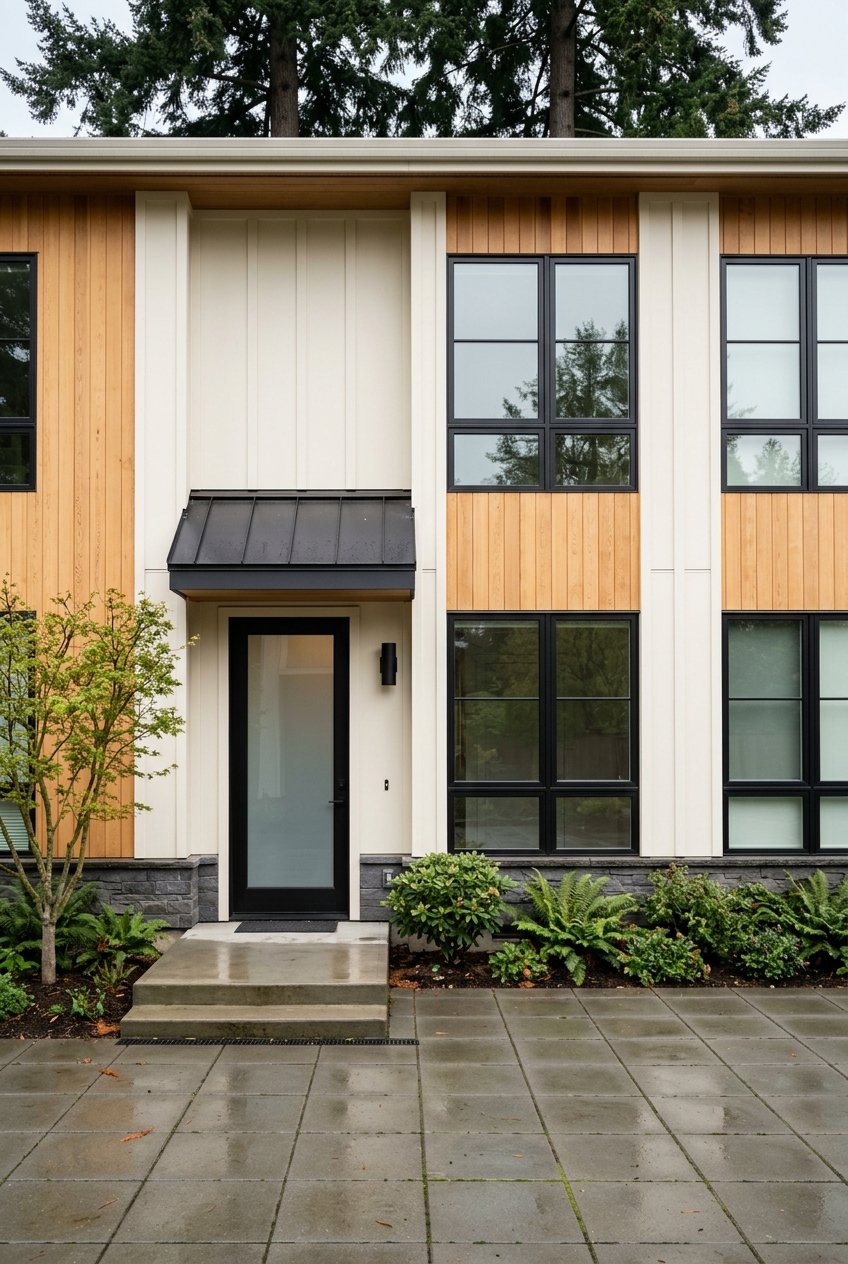
Bellevue Condo vs House: Which Home Fits You?
July 2, 2026
July 2, 2026
Trying to choose between a Bellevue condo and a house? You are not alone. In a city where urban convenience and traditional residential living both have strong appeal, the right choice often comes down to how you want your daily life to feel, not just what you can afford. This guide will help you weigh price, lifestyle, location, and ownership costs so you can make a more confident move in Bellevue. Let’s dive in.
Bellevue is a strong place to compare condos and houses because the city has a fairly balanced mix of housing. As of 2022, Bellevue had about 65,900 housing units, with roughly half single-family and half multifamily. That gives you real options, whether you want a lower-maintenance home near transit or a more private property with extra space.
The city also has a notable mismatch between household size and home size. Bellevue reports that 61% of households are made up of one or two people, while 52% of housing units have three or more bedrooms. That helps explain why condos and other smaller-format homes can make sense for relocating professionals, couples, and downsizers.
Bellevue is also continuing to add more urban-oriented housing. Recent city code changes allow more density in mixed-use areas and broaden the range of housing types that can be built in residential areas. Over time, that should make condo living and condo-adjacent options even more relevant in Bellevue.
One of the clearest differences between a condo and a house in Bellevue is price. Current market data shows 211 condos for sale with a median listing price of about $600,000. Bellevue’s overall median home sale price is about $1.5 million, and homes sell in around eight days on average.
That does not mean every condo is inexpensive or every house is out of reach. Bellevue’s condo inventory ranges from the low $200,000s to more than $1.5 million. Still, if budget is a major factor, condos often provide a lower entry point into Bellevue ownership.
For many buyers, the question is not just what costs less today. It is which property type gives you the right balance of lifestyle, convenience, and long-term fit.
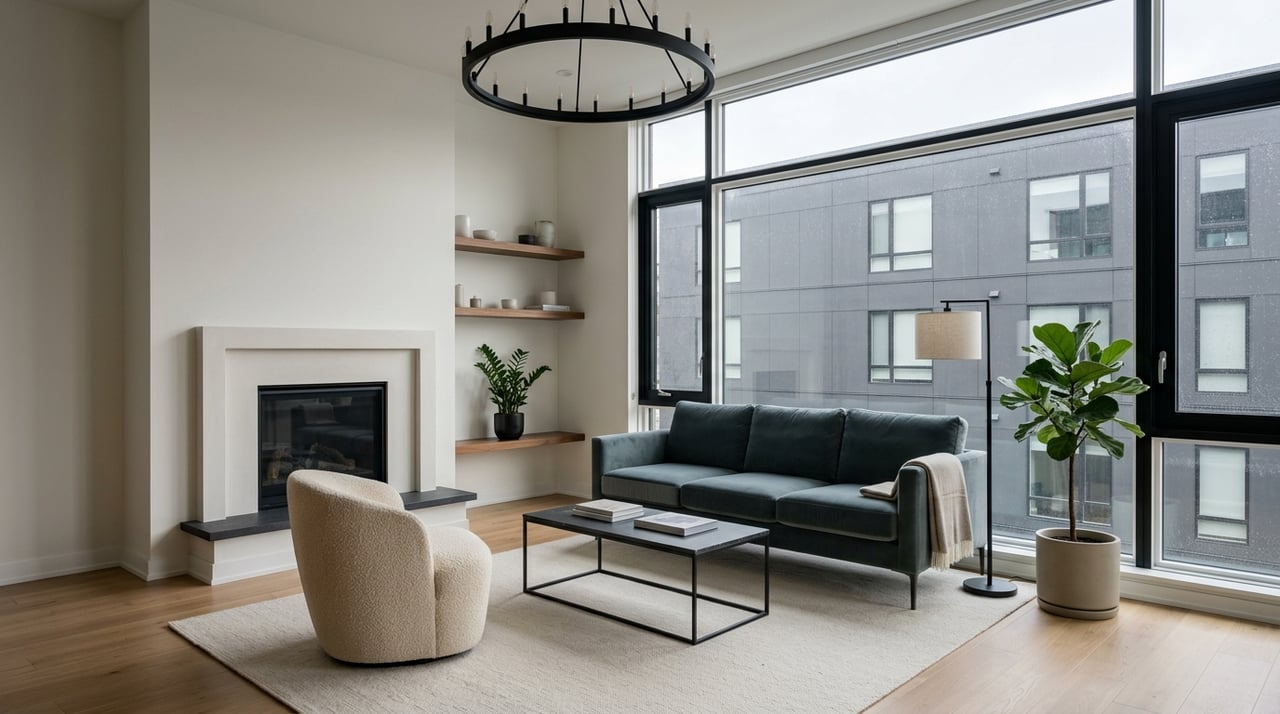
If you want ownership without taking on every exterior repair or landscaping task yourself, a condo can be appealing. Condo living often works well when you want a simpler day-to-day routine and fewer property maintenance responsibilities.
That can be especially attractive if you travel often, work long hours, or are relocating and want an easier landing. Instead of focusing on yard work and exterior upkeep, you may be able to spend more time enjoying Bellevue itself.
Downtown Bellevue is the city’s primary economic center and fastest-growing residential neighborhood. The city describes it as a walkable core with retail, dining, parks, arts venues, and civic destinations nearby. Places like Downtown Park, Meydenbauer Bay Park, Bellevue Arts Museum, KidsQuest, City Hall, and the Bellevue Collection all help define that urban experience.
If you want to step outside and be close to restaurants, parks, or events, a downtown condo may fit well. For many buyers, that kind of daily convenience is the biggest value a condo provides.
Transit is becoming a bigger part of the Bellevue condo story. Sound Transit’s 2 Line now connects the Eastside with Seattle and the broader regional network, with service about every eight minutes at peak and operating roughly from 5 a.m. to midnight daily.
Bellevue Downtown Station sits near the Bellevue Transit Center, City Hall, and the Meydenbauer Center. If reducing car dependence matters to you, that location can be a major advantage. Condo buyers who prioritize commute reliability often focus on downtown and other transit-oriented areas for exactly this reason.
BelRed is another area worth watching if you are leaning toward a condo or similar urban-style home. The city describes BelRed as a transformation into mixed-use, transit-oriented neighborhoods with three light rail stations, bike and pedestrian improvements, parks, and open space.
For buyers who care more about connectivity than having a yard, BelRed and nearby Spring District locations can be compelling. They offer a different kind of Bellevue lifestyle, one centered on access, mobility, and newer mixed-use development patterns.
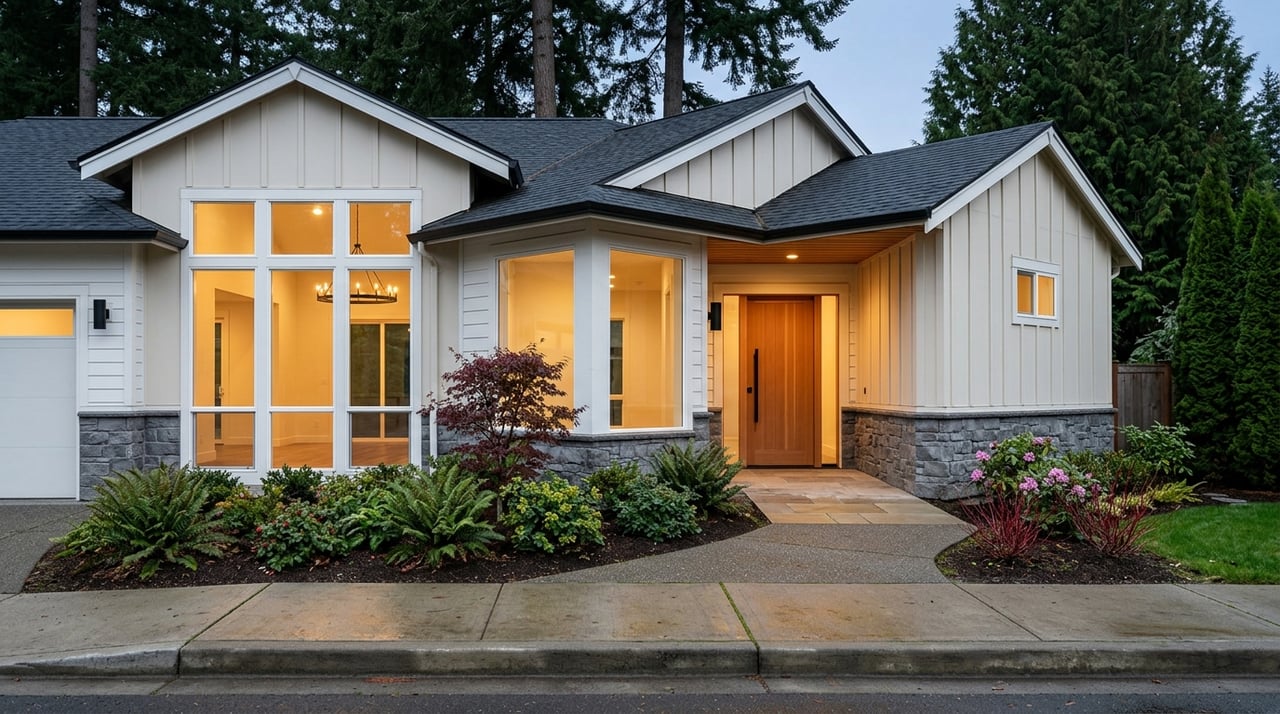
A house is often the stronger fit if privacy, storage, and outdoor space are high priorities. You usually have more separation from neighbors, more room for hobbies or guests, and more flexibility in how you use the property.
That added space can matter a lot if you work from home, need multiple living areas, or simply want room to spread out. For many buyers, the ability to enjoy a yard or larger lot is a deciding factor.
With a house, you generally have more direct control over maintenance decisions, upgrades, and how the property evolves over time. That can be a major plus if you want to remodel, improve landscaping, or tailor the home more closely to your preferences.
The tradeoff is responsibility. You are also the one planning and paying for roof work, siding repairs, system replacements, and exterior upkeep.
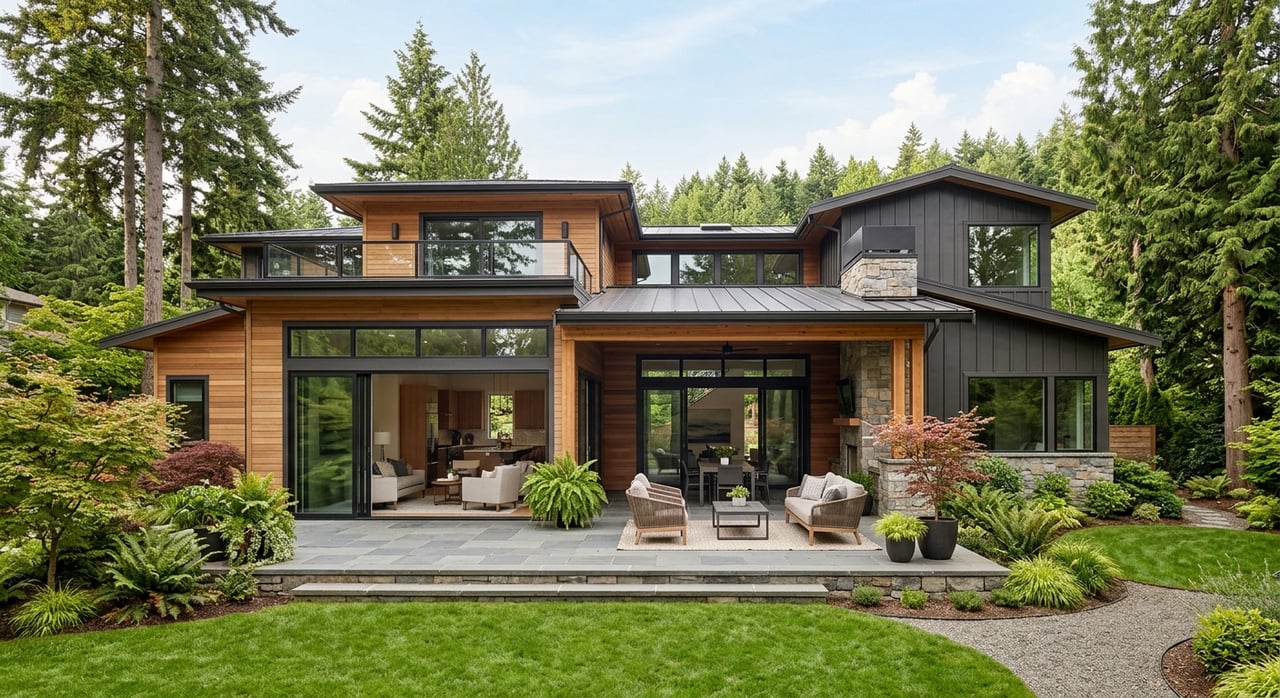
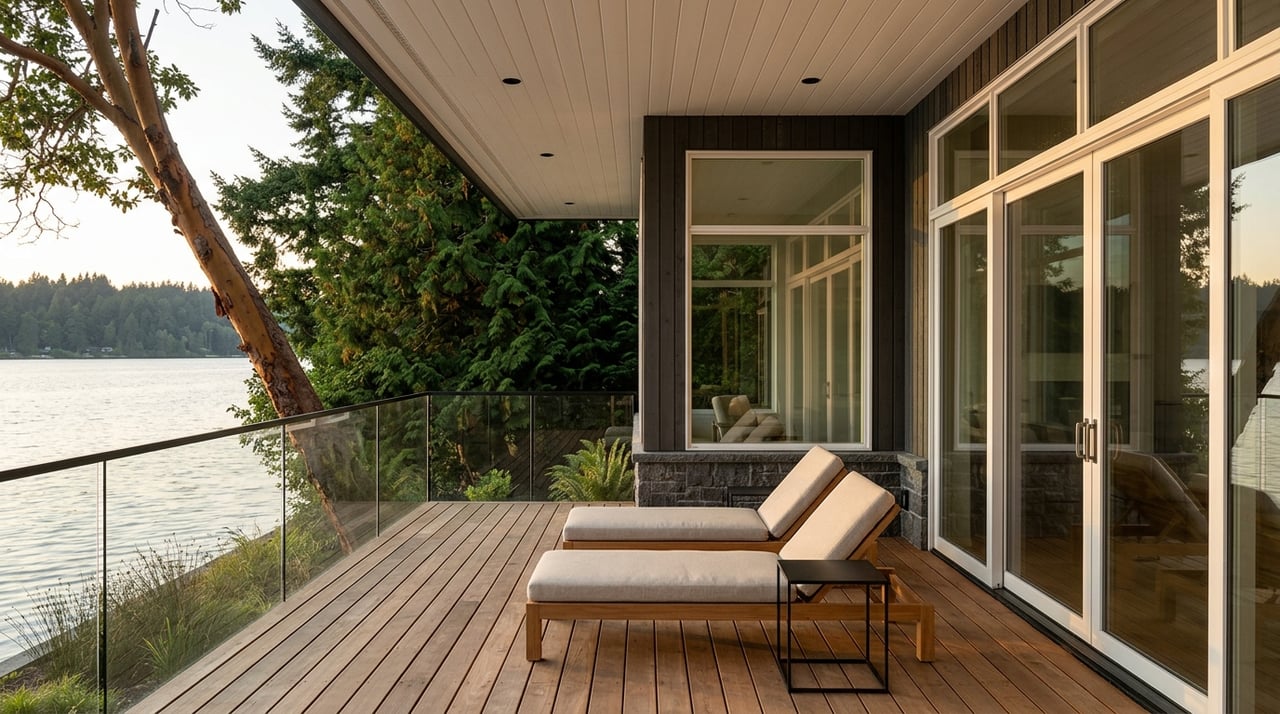
Bellevue neighborhoods such as Bridle Trails, Somerset, West Bellevue, Woodridge, and parts of Northeast Bellevue are described by the city in terms of wooded lots, larger single-family homes, waterfront access, quiet streets, or semi-rural character. These areas support a more traditional residential lifestyle than downtown condo living.
If you picture Bellevue as spacious, green, and more private, a house may align better with that vision. In many cases, the neighborhood setting is just as important as the home itself.
The condo-versus-house decision in Bellevue is more nuanced than many buyers expect. Some house locations still offer strong access to transit and central amenities, while some multifamily areas provide a quieter feel than you might assume.
West Bellevue, for example, will be served by the South Bellevue light rail station and park-and-ride. That gives house buyers a residential base with meaningful regional transit access. Wilburton is another hybrid area, with a mix of single-family and multifamily housing near downtown and close to Bellevue Botanical Garden, Kelsey Creek Park, Eastrail, and the future Grand Connection corridor.
That means your choice is often less about property type in the abstract and more about the kind of neighborhood rhythm you want. Some buyers want Bellevue to feel urban and connected. Others want it to feel private and spacious.
A condo’s lower purchase price can be attractive, but you should look beyond the list price. In Washington, condo owners typically carry an HO-6 insurance policy, while the homeowners association carries a master policy. What that master policy covers depends on the community’s governing documents.
Washington’s insurance commissioner also notes that loss-assessment coverage can help with special assessments tied to community losses. That is one reason condo due diligence matters so much. You want to understand not only the monthly HOA fee, but also the building’s insurance structure and financial health.
Washington law encourages reserve accounts for major maintenance and requires associations with significant assets to prepare and update a reserve study annually, with a new visual-inspection-based study at least every three years. For you as a buyer, that makes reserve funding more than a technical detail.
In practical terms, the monthly HOA fee can be a clue to how well the building is planning for future repairs. A low fee is not always a bargain if it means underfunded reserves or a greater risk of special assessments later.
House buyers face a different ownership profile. Washington guidance says homeowner policies typically cover the dwelling, other structures, personal property, liability, and additional living expenses. If you finance the home, your lender will require coverage.
With a house, your maintenance budget is usually larger and more hands-on. But the upside is that decision-making is more direct because you are not coordinating repairs or capital projects through an HOA structure.
Property taxes are another part of the comparison. In Washington, property tax is based on assessed value, and King County assesses and collects property taxes countywide.
In simple terms, a lower-priced condo will often have a lower tax bill than a higher-priced house. Still, local levies and the exact parcel matter, so it is smart to estimate taxes on the specific property you are considering rather than relying on citywide averages.
A condo may be the better fit if your top priorities are low-maintenance living, walkability, and transit access. That is often true for relocating professionals, busy executives, couples, and downsizers who do not need a large footprint.
Downtown Bellevue and BelRed are especially strong choices if you want a connected, urban experience. These areas make sense when convenience and mobility matter more to you than having a yard or extra storage.
A house may be the better fit if you want privacy, flexibility, and room to grow. It often makes the most sense when outdoor space, storage, or a quieter residential setting are central to your lifestyle.
West Bellevue, Somerset, Bridle Trails, Woodridge, and similar single-family areas tend to appeal to buyers who want Bellevue to feel more spacious and customizable. If that is your priority, a house may provide the stronger long-term fit.
Bellevue’s recent code changes suggest the city will continue to add more middle-format housing over time. That includes options such as townhouses, stacked flats, cottage housing, and courtyard apartments.
If you feel torn between the simplicity of a condo and the space of a house, these in-between options may become more relevant. For some buyers, they offer the right balance between maintenance, layout, and location.
If you are stuck between a condo and a house, start with your daily routine rather than the property brochure. Ask yourself a few simple questions:
The clearest way to frame the choice is this: buy a condo if you want Bellevue to feel connected, convenient, and easier to maintain. Buy a house if you want Bellevue to feel private, spacious, and more customizable.
If you want help weighing specific neighborhoods, building options, or home types in Bellevue, John Thompson offers senior-level local guidance for buyers who want a clear, well-vetted strategy.
Stay up to date on the latest real estate trends.
Etiam non quam lacus suspendisse faucibus interdum. Orci ac auctor augue mauris augue neque. Bibendum at varius vel pharetra. Viverra orci sagittis eu volutpat.