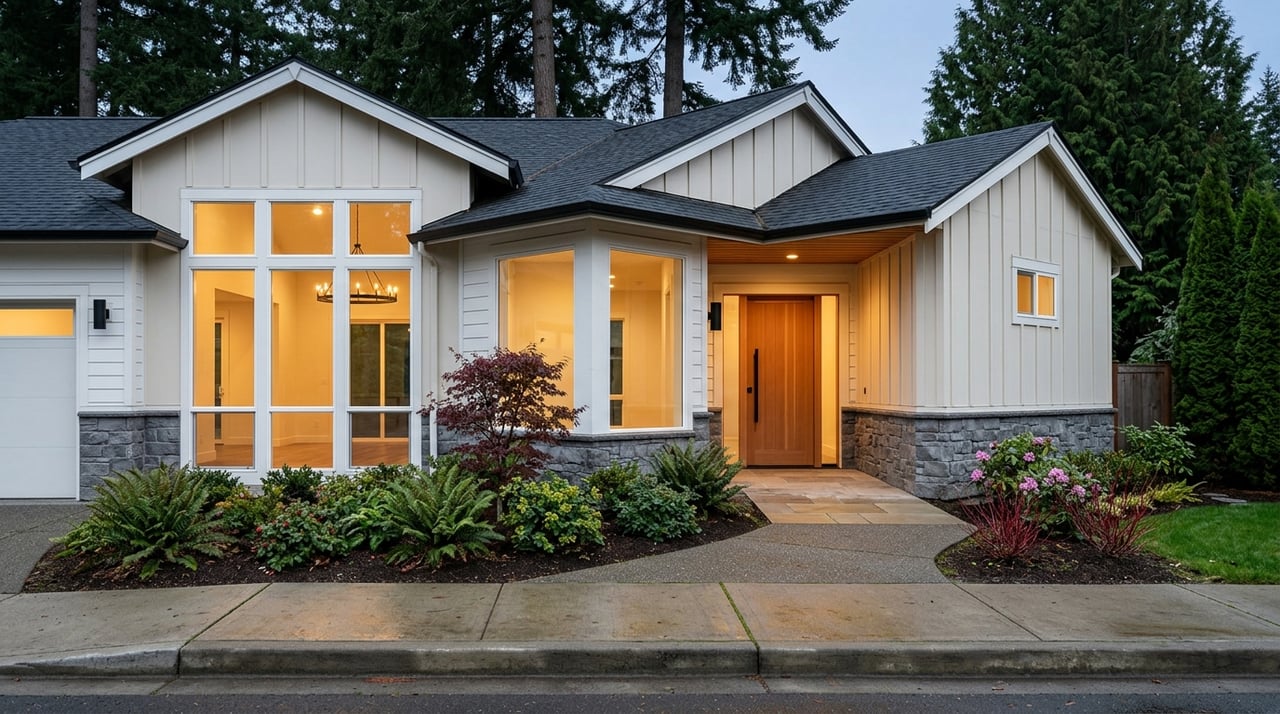
Buying A Home Near Woodinville’s Wine Districts
June 11, 2026
June 11, 2026
Wondering what it’s really like to buy a home near Woodinville’s wine districts? You are not alone. For many buyers, the appeal is easy to see: scenic surroundings, tasting rooms, dining, trails, and a lifestyle that feels both lively and distinctly Pacific Northwest. But the right fit depends on more than the house itself. It also depends on how each district feels day to day, how much activity you want nearby, and how much future change you are comfortable with. This guide will help you compare Woodinville’s wine areas, housing patterns, and access considerations so you can buy with more clarity. Let’s dive in.
Woodinville stands out because it blends residential living with a well-known visitor destination. City information describes Woodinville as a collection of distinct neighborhoods and notes that there are more than 100 tasting rooms and bike trails within city limits. That creates a lifestyle appeal that is unusual even within the Eastside.
For you as a buyer, that means your home search may be about more than square footage and finishes. It may also be about whether you want to be close to restaurants and tasting rooms, tucked into a quieter residential setting, or positioned near areas expected to evolve over time.
The city and visitor resources identify four wine districts: Hollywood, Warehouse, West Valley, and Downtown. While they are all part of Woodinville’s broader wine scene, they do not feel the same on the ground.
That difference matters when you are choosing where to focus your search. A home near one district may offer a very different weekend rhythm, traffic pattern, and sense of place than a home near another.
The Hollywood District is the most visitor-oriented wine area in Woodinville. Official district descriptions highlight wineries, restaurants, lodging, bike trails, and a concentrated wine-country experience in the Sammamish River Valley.
If you like having activity nearby, this area can be especially appealing. Buyers often gravitate here for the scenery and social energy, especially if they enjoy easy access to dining and weekend outings. At the same time, it may be less ideal if your priority is a quiet, low-traffic setting close to home.
The term “Hollywood Hill” is often used as a shorthand for the residential hills near the tasting core. City planning documents describe eastern neighborhoods as having significant tree canopy and larger residential lots, which helps explain why nearby homes can feel more residential even while staying connected to the district’s lifestyle draw.
The Warehouse District has a different personality. Official descriptions place it above Woodinville and Highway 522, with tasting rooms and winemaking spaces located within industrial office park settings.
For buyers, this usually reads as a more production-oriented environment than a classic neighborhood setting. If you value the wine scene itself and do not mind a more car-dependent feel, it may still be attractive. If you are seeking a traditional residential atmosphere right outside your front door, this area may require a closer look.
West Valley is described by visitor sources as relaxed and wide-open, with a bike-friendly culture. Among the wine districts, it tends to come across as the least intense in terms of activity.
That makes it worth considering if you want access to Woodinville’s wine-country appeal without being in the middle of the busiest visitor clusters. For many buyers, West Valley offers a better balance between lifestyle access and a calmer everyday feel.
Downtown is positioned as a food-and-beverage hub where shops, markets, artisan businesses, and tasting stops come together. It is often the most convenient district for everyday errands and city-center functions.
It is also one of the areas where future growth is likely to be more visible. City planning points to ongoing parking needs, transportation investments, and additional residential demand downtown. If you want convenience and a more mixed-use environment, this area deserves attention. If you prefer a setting with less visible change ahead, you may want to weigh that carefully.
Woodinville’s Housing Action Plan reports more than 6,200 housing units, with most of them being single-family homes or condominiums. It also notes very low vacancy and continued pressure on prices and rents, which suggests a competitive market environment for many buyers.
In practical terms, Woodinville still reads largely as a detached-home market, especially in the hills and outer neighborhoods. That can be a strong match if you are looking for more space, privacy, or a traditional Eastside suburban layout.
There is also a clear size trend in newer homes. According to the city, the average home built in 1994 was 2,322 square feet, while the average home built so far in 2022 was nearly 4,000 square feet. If you are comparing older and newer inventory, you may notice meaningful differences in scale, layout, and lot use.
Woodinville’s current long-range planning includes an Eastrail Mixed-Use zone and middle housing in single-family zones. The city also anticipates more downtown residential demand over time.
For you, that means housing choices near downtown and future growth corridors may become more varied. Condominiums, mixed-use housing, and other formats may play a larger role in some parts of the city in the years ahead, while detached homes are likely to remain more common in hillside and outer residential areas.
When you buy near Woodinville’s wine districts, weekend livability is a real consideration. This is not just about whether you enjoy the wine scene. It is about how visitor patterns affect your daily routine.
Woodinville’s economic development planning notes weekend traffic congestion between the I-405 exit and 175th Street. It also states that visitors often need to drive between districts because the tasting areas are spread apart enough to require motor travel.
That can shape how a location feels on Saturdays and Sundays. A home that seems perfectly placed on a weekday may feel busier during peak tasting hours, especially if it is close to major visitor routes or district clusters.
Each district connects differently to major roads. Official directions route Downtown through I-405 and SR 522 or WA-202, Hollywood through I-405 and WA-202 via NE 124th, Warehouse through I-405, SR 522, and NE 195th or 144th, and West Valley through I-405 Exit 22 and Woodinville Drive.
That matters if you commute regularly or simply want easier everyday movement. The city’s Housing Action Plan says Woodinville residents commonly commute to Seattle, Redmond, Bellevue, Kirkland, and Bothell, with an average commute of 29 minutes. If you are balancing work access with lifestyle appeal, the best location for you may come down to which routes you expect to use most often.
It is also important to note that listed public transit options go to Downtown Woodinville, not to every tasting area. If transit access is part of your decision, district-by-district differences should be part of your home search.
Parking is another factor that can affect quality of life near the wine districts. Woodinville’s strategic planning identifies downtown parking capacity as an ongoing issue and says additional public parking may be needed.
The city is also advocating for broader transportation improvements, including interchange and corridor investments. Along with the adopted Transportation Plan, this signals that traffic, parking, walkability, biking, and transit access are active planning priorities for the next 20 years.
For buyers, the takeaway is simple: think beyond the property line. A home near a district with active growth and infrastructure planning may offer convenience and long-term value, but it may also come with a more evolving day-to-day environment.
There is no single best district for every buyer. The right choice depends on how you want to live.
Here is a simple way to frame it:
If you are serious about buying near Woodinville’s wine districts, it helps to look beyond listing photos and tour notes. The best decision usually comes from understanding how the location functions in real life.
Ask questions like these as you narrow your search:
These are often the questions that separate a good purchase from a great long-term fit.
Woodinville is not a one-note market. Its wine districts, residential pockets, growth plans, and access patterns create very different buyer experiences from one area to the next.
If you are relocating, moving up, or searching for a lifestyle-driven home on the Eastside, that local nuance matters. A well-planned search can help you balance privacy, convenience, access, and long-term fit without losing sight of the bigger picture.
If you are considering a home near Woodinville’s wine districts, John Thompson can help you evaluate the location, market context, and property options with the kind of senior-level guidance that makes the process clearer and more strategic.
Stay up to date on the latest real estate trends.
Etiam non quam lacus suspendisse faucibus interdum. Orci ac auctor augue mauris augue neque. Bibendum at varius vel pharetra. Viverra orci sagittis eu volutpat.