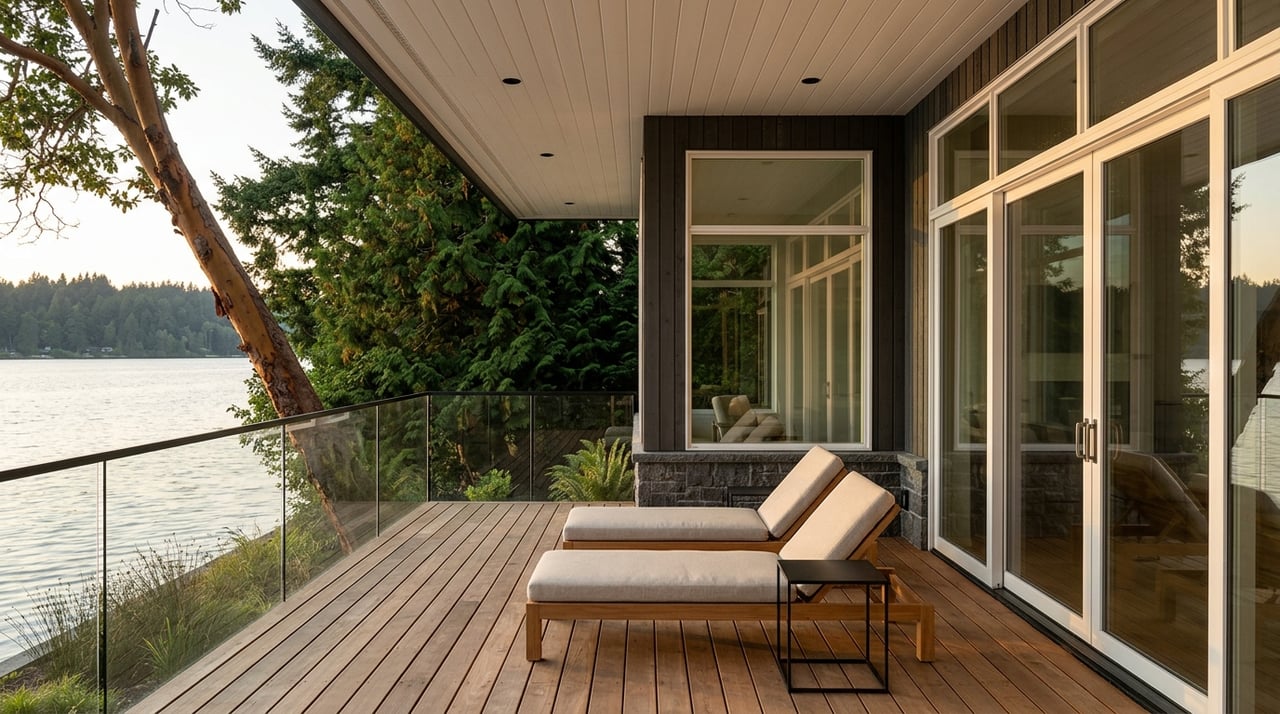
What Kirkland Waterfront Living Feels Like Every Day
June 4, 2026
June 4, 2026
If you picture waterfront living as something reserved for weekends or special occasions, Kirkland may surprise you. Here, the Lake Washington shoreline is woven into daily life, from morning walks and paddle launches to casual dinners near the water and quick access to downtown amenities. If you are considering a move to Kirkland or weighing what waterfront-adjacent living really looks like, this guide will show you how the shoreline functions day to day. Let’s dive in.
Kirkland’s shoreline is more than a scenic edge. According to the City, the park system includes 706 acres of parkland and 62 miles of trails and park paths, with waterfront parks stretching from the Yarrow Bay Wetlands in the south to O.O. Denny Park in the north. That broad public access network is a big reason waterfront living here can feel practical, not just picturesque.
For many residents, the shoreline supports different routines in different seasons. You might start the day with a walk near the lake, spend part of the afternoon at a beach park, and end the evening downtown near the water. Because these public spaces are spread along the shoreline, the lake becomes part of your rhythm instead of a once-in-a-while destination.
Marina Park is the downtown anchor for waterfront activity. The City describes it as close to restaurants and shops, with a sandy beach, boat launch, public art, an open-air pavilion, summer concerts, the July 4th Celebration, and the Summer Concert Series. It also includes 82 uncovered moorage slips available year-round through the dock system.
That mix gives downtown Kirkland an easy, lived-in connection to the water. You can pair a walk along the lake with coffee, errands, dinner, or an evening event without needing to plan your whole day around it. For buyers who value convenience, that kind of integration matters.
Not every waterfront moment in Kirkland centers on downtown energy. Juanita Bay Park offers a more natural shoreline experience, with boardwalk-style wildlife viewing and habitat restoration work that supports bird and pollinator areas. The park also includes a protected wildlife habitat zone where boats and swimmers are not allowed.
Farther north, O.O. Denny Park offers another calm option with shoreline access, trails, picnic shelters, and launch access for kayaks and paddleboards. These quieter spaces help balance Kirkland’s shoreline character, giving you both active gathering places and more peaceful outdoor settings within a relatively short distance.
If your idea of waterfront living includes swimming, paddling, or hand-launch access, Kirkland gives you several public options. Houghton Beach, Waverly Beach, and Juanita Beach are the City’s guarded swimming beaches. Marina Park, Houghton Beach, Juanita Beach, and O.O. Denny also allow hand-launch access for small craft.
That means your day-to-day lake access can be flexible. Some households may use the beach parks for summer swimming, while others may care more about launching a kayak or paddleboard before work or on a quiet evening. In Kirkland, waterfront living can support both kinds of routines.
It is also important to understand the practical side of shoreline use. Kirkland notes that lifeguards generally operate during summer months, and swimming areas can close temporarily when bacteria levels are elevated. Marina Park’s beach also does not have lifeguards.
For buyers, that is a useful reminder that lakefront lifestyle is real, but it is also seasonal and monitored. The best approach is to think of the waterfront as a year-round amenity network with different uses depending on weather, water conditions, and time of year.
One of Kirkland’s biggest strengths is how naturally the shoreline connects to social life. Carillon Point brings together restaurants, retail, a hotel, spa, marina facilities, a shoreline trail, gardens, and public art along Lake Washington. The Woodmark’s dining offerings include Carillon Kitchen, COMO, el Encanto, and Le Grand, making lakefront dining part of regular local life.
This matters because true lifestyle value often comes from convenience and repetition. When waterfront dining, walking paths, and public spaces are part of your normal routine, the setting feels more useful and personal. It becomes a place where you meet friends, unwind after work, or enjoy a low-key evening close to home.
Kirkland’s waterfront also serves as a gathering place for community events. Marina Park hosts major seasonal programming such as summer concerts and the July 4th Celebration. Juanita Beach Park adds another layer in summer with the Juanita Friday Market alongside the beach, playground, and other waterfront amenities.
For many buyers, that blend of scenery and activity is a key part of the appeal. The lake is not just something you look at from a distance. It is where people gather for music, market shopping, recreation, and everyday outdoor time.
Waterfront living often raises a practical question: does it work for real life beyond the view? In Kirkland, the answer can be yes, especially if you value a mix of walking, biking, transit, and short local trips. The City’s Getting Around resources highlight mobility options that include trails, bicycles, community van service, and bus connections.
Kirkland is served by transit routes connecting to Seattle, Lynnwood, Bellevue, Redmond, and other Eastside destinations. Downtown Kirkland Transit Center is also one of the city’s transit hubs. For residents who want shoreline access without feeling disconnected from work and regional travel, that connectivity is an important part of the picture.
The city is also planning for longer-term mobility improvements. According to Kirkland, King County Metro’s RapidRide K Line is planned to begin service in 2030 and connect Totem Lake, Downtown Bellevue, and Eastgate. The city’s park planning also calls for a continuous pedestrian and bicyclist greenway along the lakeshore through parks, along with neighborhood greenway improvements and trail easements.
Taken together, those plans reinforce the idea that shoreline living in Kirkland is not only about owning a view. It can also support a more connected routine, with easier bike rides, walks, and links to nearby destinations.
Many buyers hear “waterfront” and picture one specific type of property. In Kirkland, the reality is more varied. The City says residential is the predominant land use, with more than 75% of land zoned for housing, and the housing stock includes single-family homes, multifamily apartments and condominiums, mixed-use development, ADUs, cottages, duplexes, triplexes, and residential suites.
That range matters because everyday waterfront living does not always mean the same thing. For one buyer, it may mean a single-family home near shoreline parks. For another, it may mean a condo or mixed-use setting that offers a walkable connection to downtown and the lake.
Kirkland’s Shoreline Master Program applies to land within 200 feet of Lake Washington’s ordinary high water mark. The program is intended to protect resources, provide public access, and plan for water-dependent uses. It also regulates factors such as setbacks, public access, and allowed uses within shoreline jurisdiction.
There is an important everyday takeaway here. Public access standards can apply to new development, but they do not create a right to trespass across private uplands. If you are evaluating shoreline or shoreline-adjacent property, it helps to understand that access, use, and development standards are shaped by location-specific rules.
If you are buying in Kirkland, your best fit depends on how you want to use the waterfront. Some buyers want to be close to downtown activity, dining, and moorage. Others prefer quieter shoreline settings near trails, beaches, or natural habitat areas.
If you are selling a waterfront or waterfront-adjacent home, lifestyle positioning becomes especially important. Buyers are often evaluating more than the home itself. They are also thinking about beach access, paddling options, walking routes, commute convenience, and how the shoreline fits into everyday life.
For that reason, strong property presentation and sharp neighborhood guidance can make a real difference. A well-marketed home should help buyers understand not just where the property sits, but how living there may feel on an ordinary Tuesday as much as on a sunny summer weekend.
Kirkland stands out because its shoreline works on both levels. It offers natural beauty and a sense of escape, but it also supports routines, connections, and public access that people can use throughout the year. That balance is what makes everyday waterfront living here feel so compelling.
If you are thinking about buying or selling in Kirkland, working with a local advisor who understands both the housing landscape and the day-to-day lifestyle can help you make smarter decisions. To start the conversation, connect with John Thompson.
Stay up to date on the latest real estate trends.



Etiam non quam lacus suspendisse faucibus interdum. Orci ac auctor augue mauris augue neque. Bibendum at varius vel pharetra. Viverra orci sagittis eu volutpat.